Sober Living and AHCCCS: What Housing Support Is and Isn’t Covered

8 minute read

Key Takeaways

  • AHCCCS covers clinical care, not housing. It pays for detox, residential treatment, therapy, MAT, and outpatient care—but generally not the room-and-board cost of a sober living home.
  • The gap between coverage and housing costs is real but bridgeable. Grants, sliding-scale rent, state recovery housing programs, and part-time employment can all help cover sober living expenses.
  • You can use AHCCCS while living in a sober home. The outpatient treatment or therapy you attend during your stay may be covered, even though the rent isn’t.
  • Plan before discharge. Talking to your case manager early about housing resources and funding options gives you the best chance at a safe, stable next step.

Planning for a Safe Transition From Treatment to Sober Living

For families, knowing that AHCCCS can cover ongoing clinical care while sober living provides the housing can make discharge planning feel more manageable. Working with a case manager early helps ensure your loved one has appropriate medical and therapeutic support while the family considers realistic housing and financial options.

Question: 

Does AHCCCS pay for sober living homes in Arizona after rehab?

Answer: 

Finishing residential treatment without stable housing is one of the most vulnerable moments in recovery. This blog explains how AHCCCS, Arizona’s Medicaid program, supports people during this transition—and where its coverage stops. AHCCCS pays for clinical services like medical detox, residential treatment, therapy, medication-assisted treatment, and outpatient care. However, it generally does not cover the room-and-board cost of a sober living home, because that’s a housing expense rather than a medical service. The post breaks down why this gap exists and offers practical ways to bridge it, including grants, sliding-scale rent, state recovery housing programs, and part-time work during outpatient care. It highlights how sober living works at Vogue Recovery Center Arizona, where covered outpatient care pairs with affordable recovery housing. Finally, it encourages readers to ask their case manager about housing resources before their discharge date is set, ensuring a safer, more stable path forward.

Finishing residential treatment can feel like standing at the edge of something hopeful and something frightening at the same time. You’ve done the hard work of getting sober. But if you don’t have a safe, stable place to land next, the fear creeps in fast: What if I go back to the same house, the same street, the same people I used with?

That fear is real, and it’s valid. Where you live in early recovery matters enormously. A supportive, substance-free environment can be the difference between staying sober and slipping back into old patterns. This is exactly where sober living homes come in—and where a lot of confusion starts.

If you rely on AHCCCS (Arizona’s Medicaid program), you’ve probably wondered whether it will help pay for a sober living home after treatment. The honest answer is nuanced. AHCCCS covers a great deal, but it draws a clear line between clinical services and housing costs. Understanding that line now—before your discharge date is set—can save you a lot of stress later.

This guide walks you through what AHCCCS does cover, what it usually doesn’t, and the options that can help you afford recovery housing in Arizona. We’ll also look at how sober living works at Vogue Recovery Center Arizona and how to talk to your case manager before you leave.

What Is AHCCCS and Who Qualifies?

AHCCCS stands for the Arizona Health Care Cost Containment System. It’s the state’s Medicaid program, and it provides health coverage to eligible low-income Arizona residents. For people in recovery, AHCCCS is often the key that unlocks access to affordable addiction treatment.

You may qualify for AHCCCS based on factors like:

  • Income: Your household income falls at or below the program’s limits.
  • Residency: You live in Arizona and are a U.S. citizen or qualified immigrant.
  • Category: You fit into an eligible group, such as adults, pregnant women, children, or people with disabilities.

If you’re already in treatment and using AHCCCS to cover it, you’re likely eligible for the clinical services we’ll cover below. Many people are surprised by how much their coverage includes—and equally surprised by where it stops. That’s why it helps to look at both sides clearly.

What Does AHCCCS Cover for Addiction Treatment?

AHCCCS covers the clinical services that make recovery possible. These are the medical and behavioral health treatments delivered by licensed professionals. When people ask, “does AHCCCS cover rehab?”—the answer is yes, for the treatment itself.

Covered clinical services generally include:

  • Medical detox: Safe, supervised withdrawal management with 24/7 clinical care.
  • Residential treatment: Structured, live-in care that addresses the roots of addiction.
  • Partial hospitalization programs (PHP): Daytime treatment with a high level of structure.
  • Intensive outpatient programs (IOP): Several hours of therapy a week while you rebuild daily life.
  • Outpatient treatment: Weekly check-ins and ongoing support.
  • Counseling and therapy: Individual, group, and family sessions.
  • Medication-assisted treatment (MAT): Medications paired with counseling for substance use disorders.
  • Dual diagnosis care: Treatment for co-occurring mental health conditions like anxiety or depression.

As an AHCCCS rehab center, Vogue Recovery Center Arizona is in-network with AHCCCS and provides these clinical services to guests across Phoenix and beyond. Whether you need alcohol addiction treatment or drug addiction treatment, the treatment side of your recovery is where AHCCCS support shows up most clearly.

The key thing to remember: AHCCCS pays for the care. It’s built to fund medical and therapeutic services, not the everyday cost of a place to sleep.

Does AHCCCS Pay for Sober Living or Room and Board?

Here’s the short, honest answer: AHCCCS generally does not pay for the room-and-board cost of a sober living home.

This surprises a lot of people, so it’s worth explaining why. Sober living homes—sometimes called recovery residences—are primarily a housing arrangement. Residents live together in a substance-free environment, follow house rules, and support one another’s sobriety. But the home itself isn’t a clinical treatment program. The rent, food, and utilities are living expenses, not medical services.

Because Medicaid programs like AHCCCS are designed to fund healthcare, they typically won’t cover those living costs. What AHCCCS can cover is the clinical treatment you receive while you’re living in a sober home. So if you’re in a sober living residence and also attending IOP or outpatient sessions, AHCCCS may pay for the therapy—just not the roof over your head.

Think of it as two separate bills:

  • The clinical bill (therapy, MAT, counseling) — often covered by AHCCCS.
  • The housing bill (rent, food, utilities in a sober home) — generally not covered by AHCCCS.

Understanding this split is the whole point. It’s not that AHCCCS abandons you at housing—it’s that housing and healthcare are funded differently.

Why Is There a Gap Between Clinical Coverage and Housing Costs?

The gap exists because of how Medicaid is structured, not because anyone thinks housing doesn’t matter. AHCCCS is a health insurance program. Its job is to pay for medical and behavioral health care. Housing—even recovery-focused housing—falls outside that mission.

The trouble is that this structural line can land hard on the person living it. You may leave residential treatment clinically stable, insured for ongoing therapy, and still have no covered way to pay for a safe place to live. For someone whose old home was full of triggers, that gap can feel like a trapdoor.

This is why planning ahead is so important. The gap between what AHCCCS covers and what sober living costs is real—but it’s also bridgeable. There are established ways to fund recovery housing, and knowing about them before discharge puts you in a far stronger position.

What Options Help Cover Sober Living Costs in Arizona?

If AHCCCS won’t cover sober living room and board, how do people actually afford it? The good news is there are several paths. Recovery housing in Arizona doesn’t have to be out of reach.

Common ways to fund a sober living home include:

  • Grants and scholarships: Some nonprofits and recovery organizations offer funding to help people cover sober living costs, especially in early recovery.
  • State and local recovery housing programs: Arizona has programs designed to support transitional and recovery housing. Your case manager can help you find ones you may qualify for.
  • Sliding-scale or income-based rent: Many sober living homes set rent based on what you can realistically afford, particularly if you’re between jobs.
  • Employment during outpatient care: As you step down to IOP or outpatient treatment, you can often work part-time and pay rent yourself.
  • Family or community support: Loved ones sometimes contribute to housing costs as part of your support system.
  • Faith-based and community organizations: Local groups sometimes offer housing assistance or connections to affordable options.

The point is simple: the housing gap is a known challenge, and there are known solutions. You don’t have to solve it alone or figure it out on the fly. The earlier you start asking about these resources, the more options you’ll have.
Self-Assessment: Am I Addicted?

"*" indicates required fields

Step 1 of 12

This field is for validation purposes and should be left unchanged.
Are you worried about yourself or a loved one?*

Contact Us

Ready to Get Help? Get in Touch Today.

Fill out the form below and one of our admissions team members will reach out to you:

"*" indicates required fields

This field is for validation purposes and should be left unchanged.
Name*
Consent*
By pressing submit, you accept the Terms of Service and Privacy Policy.

What Does Sober Living Look Like at Vogue Recovery Center Arizona?

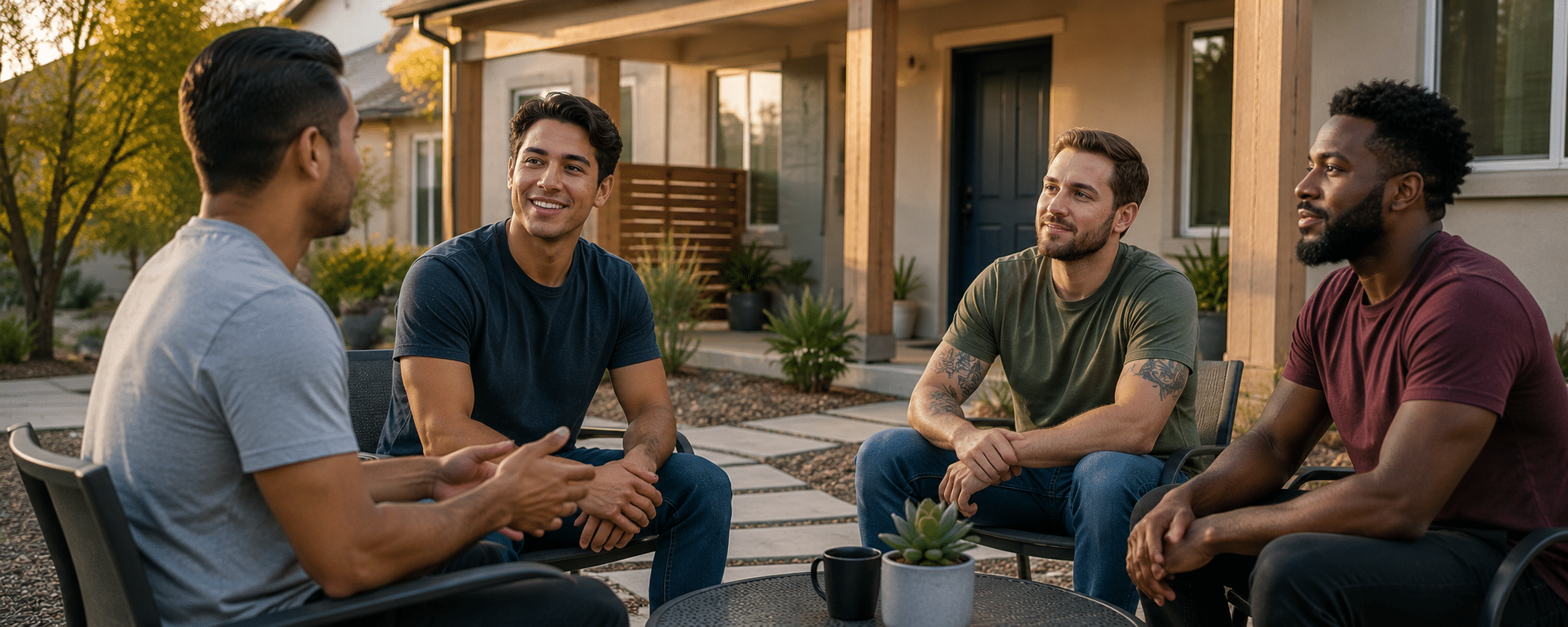
Vogue Recovery Center Arizona offers sober living as part of its full continuum of care in Phoenix. The goal is to give you a safe, structured place to keep building your recovery after formal treatment—so you’re not forced to choose between staying sober and having somewhere to live.

Sober living at Vogue Recovery Center Arizona is designed to make the transition back to independent life gentler. Homes are fully furnished with modern amenities and located in convenient neighborhoods close to public transportation, grocery stores, and other essentials. Part-time staff are available throughout the night for support or emergencies, and weekly in-house meetings give residents a chance to share experiences and lean on one another.

Research backs this model. Studies on sober living homes have found that residents experience less substance use, fewer arrests, fewer mental health symptoms, and higher rates of employment than people who don’t have that supportive environment.

To live in a Vogue Recovery Center Arizona sober home, residents take part in the intensive outpatient program (IOP), outpatient program (OP), or daily 12-step meetings. This is where the AHCCCS picture comes together: the outpatient clinical care you attend while living there may be covered by AHCCCS, even though the housing itself is a separate cost. Vogue Recovery Center Arizona also keeps its recovery home rates affordable, because access to safe housing shouldn’t depend on wealth.

If you’re weighing your options, the admissions team can walk you through how sober living and outpatient care fit together—and what your AHCCCS coverage will and won’t apply to.

How Should You Talk to Your Case Manager Before Discharge?

Your case manager is one of your most valuable allies in this transition, and the conversation about housing should happen before your discharge date is locked in—not after.

Here are questions worth bringing to your case manager:

  • “What sober living homes near me accept people using AHCCCS for outpatient care?” This helps you find recovery housing paired with covered clinical services.
  • “Are there grants, scholarships, or state programs to help me pay for sober living?” Your case manager may know local resources you’d never find on your own.
  • “Which sober homes offer sliding-scale or income-based rent?” Affordability matters, especially early on.
  • “How will my AHCCCS coverage apply once I move into sober living?” Get clarity on what’s covered so there are no surprises.
  • “Can we build a step-down plan that pairs sober living with IOP or outpatient treatment?” This connects your housing to the care AHCCCS supports.

Bring these questions early. The more lead time your case manager has, the more they can line up before you walk out the door. A discharge plan that includes stable housing is one of the strongest protections against returning to the environment where you used.

Take the Next Step Toward Stable Recovery Housing

The bottom line is worth repeating: AHCCCS covers the clinical services that make recovery possible—detox, treatment, therapy, and medication—but it generally does not pay for the room-and-board cost of a sober living home. That gap is real, but it’s bridgeable through grants, income-based rent, state recovery housing programs, and support networks.

You don’t have to choose between staying sober and having a safe place to live. With the right plan, you can have both. The most important move you can make is to start the conversation early.

Ask your case manager about housing resources before your discharge date is set. And if you’d like to understand how sober living, outpatient care, and AHCCCS coverage fit together, verify your insurance or reach out to Vogue Recovery Center Arizona to explore your options. A stable, supportive next step is within reach—and you deserve one.

Frequently Asked Questions

Does AHCCCS pay for sober living in Arizona?

AHCCCS generally does not pay for the room-and-board cost of a sober living home, because it’s a housing arrangement rather than a clinical service. However, AHCCCS may cover the outpatient treatment or therapy you attend while living in a sober home. Grants, sliding-scale rent, and state recovery housing programs typically help cover the housing cost itself.

What addiction treatment does AHCCCS cover?

AHCCCS covers clinical services including medical detox, residential treatment, partial hospitalization programs (PHP), intensive outpatient programs (IOP), outpatient treatment, individual and group counseling, medication-assisted treatment (MAT), and dual diagnosis care for co-occurring mental health conditions.

How can I afford sober living if AHCCCS won’t cover it?

Common options include grants and scholarships from recovery nonprofits, state and local recovery housing programs, sliding-scale or income-based rent, working part-time during outpatient care, and support from family or community organizations. Your case manager can help identify programs you may qualify for.

Can I use AHCCCS while living in a sober home?

Yes. While AHCCCS generally won’t pay your rent in a sober living home, it may cover the clinical care—such as IOP or outpatient therapy—that you attend while living there. This is why many people pair sober living with covered outpatient treatment.

Does Vogue Recovery Center Arizona accept AHCCCS?

Vogue Recovery Center Arizona is in-network with AHCCCS and provides covered clinical services, including medical detox and outpatient care, at its Phoenix location. Sober living is offered as part of its continuum of care, and the admissions team can explain how coverage applies to your situation.

When should I start planning for housing after treatment?

Start before your discharge date is set. The earlier you talk to your case manager about sober living options and funding resources, the more time they’ll have to arrange stable housing and connect it to the outpatient care AHCCCS covers.

References:

  • Vogue Recovery Center, Vogue, VRC

    Content Writers

    At Vogue Recovery Center, we make information about addiction clear and easy to understand, no matter your familiarity with the topic. With expertise in addiction and recovery, the Vogue Recovery Editorial Staff creates content that’s engaging, informative, and relatable. Whether you’re exploring treatment options or the science of addiction, our blog has you covered. We share evidence-based insights on substance abuse and mental health from trusted sources.

    View all posts
Are you covered for addiction treatment?

ARE YOU OR A LOVED ONE STRUGGLING WITH DRUGS OR ALCOHOL?

Trusted & Accredited Addiction Treatment Centers

We’re Here 24/7

Life feels like an everyday struggle right now, but it’s going to get better. Making the decision to get help for substance abuse is the first step in changing everything. Call us for a free, confidential consultation today.