Key Takeaways
- Naloxone and naltrexone have different purposes despite their similar names. Naloxone is an emergency medication that rapidly reverses an opioid overdose, while naltrexone is a long-term medication used in medication-assisted treatment (MAT) to help prevent relapse and reduce cravings after detox.
- Naltrexone is an important component of medication-assisted treatment. Available as a daily tablet or monthly injection (Vivitrol), naltrexone helps treat both opioid use disorder and alcohol use disorder by blocking the rewarding effects of substances, but it must be combined with counseling and behavioral therapies for the best outcomes.
- Medical detox is required before starting naltrexone. Because naltrexone can trigger severe precipitated withdrawal if opioids are still present in the body, individuals must typically complete detox and remain opioid-free for 7–10 days (or longer for some medications) before beginning treatment.
- Naloxone saves lives, while naltrexone supports lasting recovery. Naloxone provides a critical emergency response during an overdose but does not treat addiction. Long-term recovery requires comprehensive care, including MAT, therapy, relapse prevention, and ongoing clinical support.
Understanding Naloxone vs. Naltrexone in Treatment Planning
Question:
What’s the difference between naloxone and naltrexone?
Answer:
Naloxone and naltrexone are both opioid antagonists, but they serve very different roles in addiction care. Naloxone (Narcan) is an emergency medication that quickly reverses opioid overdoses by restoring breathing, making it a lifesaving tool for first responders, families, and community members. However, its effects are temporary and it does not treat opioid addiction. Naltrexone, available as a daily oral medication or monthly Vivitrol injection, is used in medication-assisted treatment (MAT) to help people recover from opioid and alcohol use disorders by blocking the rewarding effects of these substances and reducing cravings. Because it can trigger severe withdrawal if opioids remain in the body, patients must first complete medical detox and remain opioid-free before starting treatment. The article also explains how MAT combines FDA-approved medications with counseling and behavioral therapy to improve long-term recovery outcomes, emphasizing that emergency overdose reversal and sustained addiction treatment are complementary—not interchangeable—parts of comprehensive care.
Naloxone. Naltrexone. Two medications that sound nearly identical, appear in the same conversations, and yet do fundamentally different things. For families navigating an opioid use disorder, or for anyone researching treatment options, the confusion between these two drugs is completely understandable — and it matters to get right.
Both medications act on the brain’s opioid receptors, and both play important roles in opioid-related care. But one saves lives during an active overdose, and the other helps people sustain long-term recovery. Using one in place of the other — or misunderstanding what each one does — can have serious consequences.
This guide breaks down the difference between naloxone and naltrexone, explains when and how each is used, and explores how medication-assisted treatment (MAT) combines FDA-approved medications with counseling and behavioral therapy to support lasting recovery.
Naloxone vs. Naltrexone at a Glance
Feature | Naloxone | Naltrexone |
|---|---|---|
Primary purpose | Reverses opioid overdose | Treats opioid and alcohol use disorder |
How it’s used | Emergency only | Long-term maintenance |
Speed of action | Works within minutes | Not fast enough for emergencies |
Duration | 30–90 minutes | Daily (tablet) or monthly (injection) |
Brand names | Narcan®, Kloxxado®, Zimhi™ | Vivitrol® (injection), ReVia® (oral) |
Prescription required? | No (available OTC in most states) | Yes |
Treats addiction? | No | Yes, as part of MAT |
Must detox first? | No | Yes — typically 7–10 opioid-free days |
What Is Naloxone?
Naloxone and naltrexone are not interchangeable: naloxone is a fast-acting medication used in emergencies to reverse an opioid overdose, while naltrexone is a longer-acting medication used as part of ongoing treatment for opioid or alcohol use disorder and does not reverse an overdose. For adults struggling with substance use, along with family members, caregivers, and behavioral health professionals trying to understand treatment options, knowing that difference can shape both an immediate emergency response and a long-term recovery plan.
Naloxone is a short-acting opioid antagonist. It reverses overdose by displacing existing opioids from opioid receptors in the brain, quickly restoring breathing when heroin, fentanyl, or prescription painkillers slow or stop it. Naloxone attaches to opioid receptors and reverses the effects of other opioids. Critically, it has no effect on someone without opioids in their system.
Naltrexone works differently. This article explains how naloxone and naltrexone compare, how each medication works, when each is used, detox requirements before starting treatment, possible side effects, and how both can fit into medication-assisted treatment and broader recovery programs.
How does naloxone work to reverse an opioid overdose?
When opioids bind to receptors in the brain and body, they suppress the central nervous system — slowing breathing, lowering heart rate, and causing loss of consciousness. Naloxone works by displacing those opioids from the receptors, essentially kicking them off and restoring normal function.
The effect is fast. But it is also temporary. Naloxone remains active in the body for only 30 to 90 minutes. Many opioids — especially fentanyl — last far longer. This means that after giving naloxone, calling 911 is still essential. A person may appear to recover and then slip back into overdose once the naloxone wears off.
When is naloxone used?
Naloxone is intended for any suspected opioid overdose. Signs of overdose include:
- Unconsciousness or unresponsiveness
- Very slow, shallow, or stopped breathing
- Pinpoint (very small) pupils
- Limp body
- Blue or purple lips or fingernails
- Gurgling or choking sounds
Naloxone is used by emergency responders, family members, bystanders, schools, workplaces, and community organizations. In most U.S. states, it is available at pharmacies without a prescription, and many community programs distribute it at no cost.
What are the common naloxone products?
- Narcan® – a prefilled 4 mg nasal spray; the most widely recognized brand
- Kloxxado® – an 8 mg nasal spray for higher-potency opioids like fentanyl
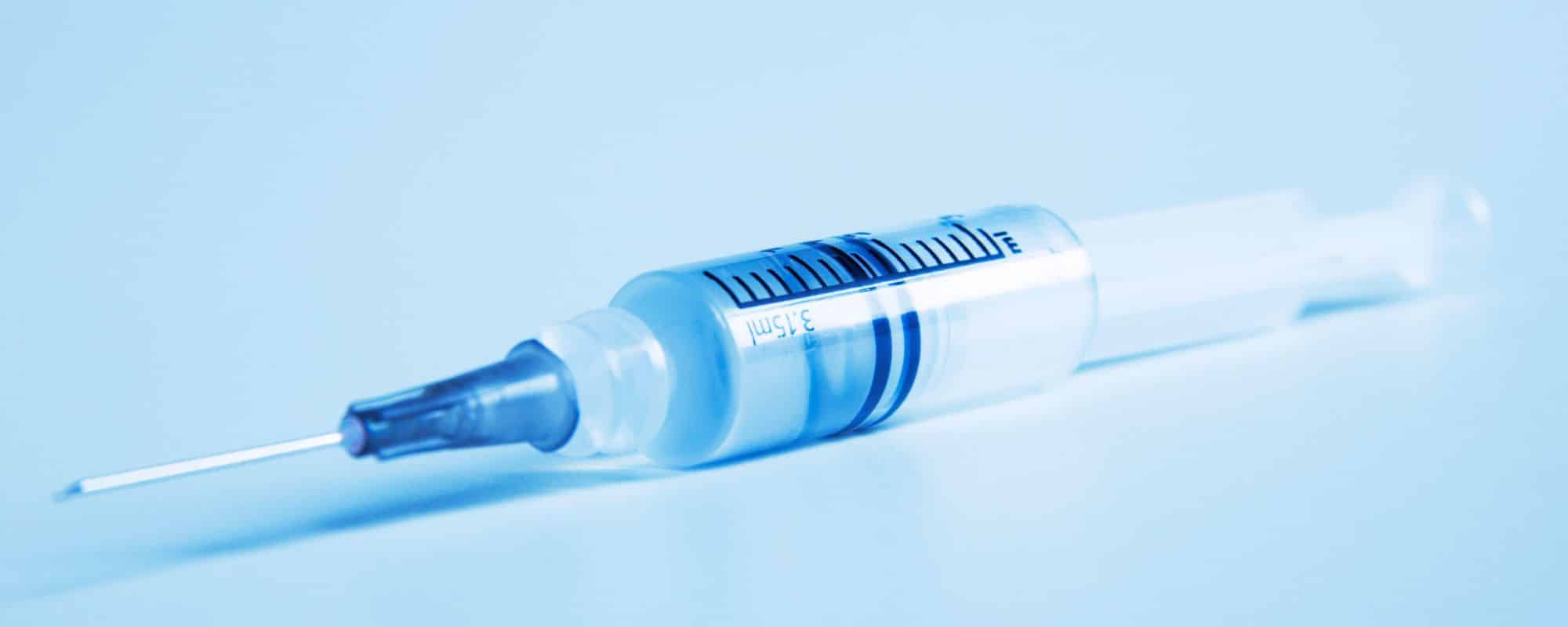
- Zimhi™ – a 5 mg auto-injector prefilled syringe
- Generic injectable naloxone – available in 0.4 mg/mL and 1 mg/mL vials
It is worth noting that “Narcan” is a brand name — one of the first approved for naloxone — but the two terms are often used interchangeably in everyday conversation.
What naloxone does NOT do
This is where misunderstanding can lead to harm. Naloxone:
- Does not treat addiction or opioid use disorder
- Does not prevent future overdoses after the dose wears off
- Does not eliminate opioids from the body
- Does not replace emergency medical evaluation — 911 should always be called
- Does not work on overdoses caused by non-opioid substances like cocaine or methamphetamine
Naloxone is a bridge, not a treatment. It buys time. What happens after — including connecting to an addiction treatment program — is where real recovery begins.
What Is Naltrexone?
Where naloxone addresses the immediate crisis, naltrexone is designed for the long road ahead. Naltrexone is an FDA-approved opioid antagonist used in medication-assisted treatment for both opioid use disorder (OUD) and alcohol use disorder (AUD), with a role in long-term opioid addiction management rather than emergency use.
Unlike naloxone, naltrexone is not fast-acting. It is not useful in overdose situations. It is a long-acting medication that blocks opioid receptors without activating them, and its value lies in sustained, day-to-day support during long-term treatment to help prevent relapse.
How does naltrexone work for opioid and alcohol use disorder?
Naltrexone binds to opioid receptors in the brain over an extended period. By occupying those receptors, it prevents opioids from producing the euphoric or pain-relieving effects that reinforce addictive behavior. For someone in recovery, this means that using opioids while on naltrexone produces no “high” — removing the chemical reward that drives continued use.
For alcohol use disorder, the mechanism is slightly different. Alcohol triggers the release of endogenous opioids in the brain, which then stimulate dopamine — a chemical associated with pleasure and reward. Naltrexone interrupts that chain reaction. It doesn’t impair coordination or reaction time when alcohol is consumed, but it does block the “buzz” that reinforces drinking, according to Vogue Recovery Center’s clinical resources.
It is important to understand that naltrexone is not a narcotic. It does not produce euphoria, does not cause physical dependence in the same way opioids do, and is not addictive.
What are the forms of naltrexone?
- Oral tablets (ReVia®, generic) – typically 50 mg taken once daily
- Extended-release injection (Vivitrol®) – 380 mg administered once every four weeks by a healthcare provider
Vivitrol’s monthly dosing is a significant practical advantage. Daily pill compliance can be difficult for people early in recovery. A once-monthly injection removes that daily decision and provides consistent, around-the-clock receptor blockade.
Does naltrexone also treat alcohol use disorder?
Yes — and this is another point of distinction from naloxone. Naltrexone is FDA-approved for both opioid use disorder and alcohol use disorder. For people struggling with heavy drinking or alcohol dependence, naltrexone can reduce cravings and decrease the reinforcing effects of alcohol, supporting long-term sobriety as part of a broader treatment plan.
Why You Must Be Fully Detoxed Before Taking Naltrexone
This is one of the most important clinical considerations in naltrexone treatment, and it is also one of the most commonly misunderstood.
Starting naltrexone too soon — while opioids are still active in the body — can trigger precipitated withdrawal. Naltrexone is non-addictive, but starting it too soon can cause serious withdrawal symptoms. This is a sudden, severe onset of withdrawal symptoms caused by naltrexone displacing opioids from receptors all at once, and both naloxone and naltrexone can precipitate withdrawal symptoms. In cases of opioid withdrawal, opioid withdrawal symptoms can start 8–24 hours after last use, though timing and intensity vary by substance and the level of opioid dependence. The experience is intensely uncomfortable and can be medically serious.
To avoid this, most clinical protocols require a person to be opioid-free for 7 to 14 days before beginning naltrexone, depending on the opioid and patient factors. For those who have been using long-acting opioids (such as methadone), an even longer opioid-free period may be necessary.
This is why opioid detox plays such a critical role in the pathway to naltrexone-based MAT. Supervised detox helps guests safely clear opioids from their system in a medically monitored environment, with planning informed by their medical history and other clinical factors. Detox should never be rushed, because drug withdrawal timelines are individualized and withdrawal symptoms vary by substance and dependence severity.
Self-Assessment: Am I Addicted?
"*" indicates required fields
Contact Us
Ready to Get Help? Get in Touch Today.
"*" indicates required fields
How Does Medication-Assisted Treatment (MAT) Work?
Medication-assisted treatment is now widely recognized as the standard of care for opioid use disorder. According to the Substance Abuse and Mental Health Services Administration (SAMHSA), MAT combines FDA-approved medications with counseling and behavioral therapies to treat the whole person — not just the physical symptoms of addiction.
MAT works across three components:
- Medication – FDA-approved drugs that reduce cravings, manage withdrawal, and/or block the rewarding effects of substances
- Counseling – Individual therapy to identify triggers, process trauma, and develop coping strategies
- Behavioral therapy – Structured sessions focused on relapse prevention, goal-setting, positive reinforcement, and daily living skills
SAMHSA has stated that MAT “has proved to be clinically effective and to significantly reduce the need for inpatient detoxification services.” Research published in the National Library of Medicine (NIDA, 2018) found that both buprenorphine/naloxone and extended-release naltrexone are effective in treating opioid addiction when combined with appropriate support.
Which Medications Are Used in MAT for Opioid Addiction?
Medication | Purpose | Can it prevent overdose? | Can it reduce cravings? |
|---|---|---|---|
Naltrexone (Vivitrol) | Blocks opioid/alcohol reward | No | Yes |
Buprenorphine (Suboxone, Sublocade) | Partial opioid agonist; reduces withdrawal | Limited | Yes |
Methadone | Full opioid agonist; reduces withdrawal | No | Yes |
Naloxone (Narcan) | Emergency overdose reversal | Yes (in emergencies) | No |
Naloxone’s role in MAT is worth clarifying. Naloxone on its own is not used as an ongoing MAT medication — its action is too brief for that purpose. However, it appears in combination products like Suboxone (buprenorphine/naloxone), where it serves as a safety component. In Suboxone, naloxone remains largely inactive when the medication is taken as prescribed (dissolved under the tongue). It only activates if someone attempts to inject the medication, triggering withdrawal and deterring misuse. Unlike medications used in drug detox, MAT medications are ongoing, while detox medications are matched to a patient’s opioid medications exposure, common withdrawal symptoms, and withdrawal severity. Benzodiazepines, for example, are used to treat anxiety and sleeping disorders, but they are not overdose-reversal drugs.
For a deeper look at how these medications compare, Vogue Recovery Center’s blog on buprenorphine vs. naltrexone vs. naloxone explores each drug’s distinct role in opioid addiction treatment.
Can Naloxone and Naltrexone Be Used Together?
They serve different purposes and are typically used at different stages of recovery — but yes, the same person may encounter both.
A person experiencing an opioid overdose may receive naloxone from a first responder or family member. That emergency intervention saves their life. Later, after completing medical detox and the appropriate opioid-free waiting period, that same person may begin naltrexone as part of an ongoing MAT program to support their recovery.
Think of it this way: naloxone opens a door that might otherwise close permanently. Naltrexone helps keep that door open over time.
Who Is a Good Candidate for Naltrexone?
Naltrexone may be an appropriate treatment option for someone who:
- Has completed medical detox and is fully opioid-free
- Prefers a non-opioid medication for recovery (no risk of physical dependence or euphoric effects)
- Is committed to a comprehensive recovery program that includes counseling
- Has strong external support — family, sober peers, or a recovery community
- Prefers the convenience of a monthly injection (Vivitrol) over daily medication
- Is also managing alcohol use disorder
- Has co-occurring mental health conditions that may benefit from an integrated treatment approach
Every guest is different. Treatment decisions should always be made with qualified addiction medicine professionals who can evaluate individual health history, substance use patterns, and recovery goals.
What Are the Side Effects of Naloxone and Naltrexone?
Both medications are generally well-tolerated, but side effects are possible.
Naloxone side effects
When administered to someone who is opioid-dependent, naloxone can trigger immediate withdrawal symptoms, including:
- Nausea and vomiting
- Rapid heart rate
- Increased blood pressure
- Sweating
- Headache
- Agitation or anxiety
While deeply uncomfortable, these symptoms are rarely life-threatening — and are always preferable to the alternative in an overdose scenario.
Naltrexone side effects
Common side effects of naltrexone include:
- Nausea and stomach upset (especially in the first days of treatment)
- Fatigue
- Headache
- Difficulty sleeping
- Muscle or joint pain
- Injection site reactions with Vivitrol (redness, swelling, or soreness)
Two more serious considerations deserve mention. First, naltrexone can cause liver toxicity at high doses, so ongoing liver monitoring is standard practice. Second — and critically — naltrexone significantly reduces tolerance to opioids. If someone relapses and uses opioids at a dose they previously tolerated, the risk of fatal overdose is substantially higher. This underscores why naltrexone works best when embedded in a comprehensive recovery program that addresses the psychological drivers of relapse, not just the physical ones.
Frequently Asked Questions About Naloxone vs. Naltrexone
Is naloxone the same as naltrexone?
No. Naloxone and naltrexone are two distinct medications with different purposes, durations of action, and clinical uses. Naloxone is a short-acting emergency medication that reverses opioid overdoses. Naltrexone is a long-acting medication used in ongoing treatment for opioid use disorder and alcohol use disorder.
Does naloxone treat addiction?
No. Naloxone reverses the immediate life-threatening effects of an opioid overdose, but it does not treat the underlying addiction. It has no effect on cravings, withdrawal, or the psychological components of opioid use disorder.
Can naltrexone stop an opioid overdose?
No. Naltrexone does not work fast enough to reverse an acute overdose. Only naloxone (Narcan) is appropriate for emergency overdose situations.
Can I take naltrexone while still using opioids?
No. Starting naltrexone while opioids are still present in the body—or stopping cold turkey and beginning it too soon—can trigger precipitated withdrawal, a sudden and severe drug withdrawal reaction. For some short-acting opioids, withdrawal symptoms typically start within 12 hours of last use, while detoxification may last from a few days to several weeks depending on the substance and severity. A full detox and opioid-free period of approximately 7–10 days is required before beginning naltrexone.
How long after detox can I start naltrexone?
Most clinical guidelines recommend waiting at least 7 to 10 days after the last use of short-acting opioids before starting naltrexone. For long-acting opioids like methadone, the waiting period may be longer. A medical team will determine the appropriate timing based on individual circumstances.
Is Vivitrol the same as naltrexone?
Yes. Vivitrol is the brand name for the extended-release injectable
-
 View all posts
Content Writers
At Vogue Recovery Center, we make information about addiction clear and easy to understand, no matter your familiarity with the topic. With expertise in addiction and recovery, the Vogue Recovery Editorial Staff creates content that’s engaging, informative, and relatable. Whether you’re exploring treatment options or the science of addiction, our blog has you covered. We share evidence-based insights on substance abuse and mental health from trusted sources.