Lean, sometimes referred to as “purple drank,” is a codeine syrup-based beverage that has become popular in certain hip hop subcultures and electronic dance music scenes. It’s often associated with a younger demographic because of candy in the ingredients, but anyone can fall victim to lean abuse and addiction. Due to the use of the opiate codeine, it can lead to serious addiction problems and health scares when someone drinks lean. Lean gets users high for a short period, but the long-lasting effects of this kind of drug abuse are scary. Some may confuse lean for alcohol addiction since they’re both drinks, but there is no alcohol in a lean mixture. If you or someone you know drinks lean, it may be time to get help from an addiction treatment center that offers treatment programs for lean abuse.
What Is in Lean?
Lean is a recreational drug concoction made from prescription-strength cough syrup, soft drinks, and hard candy. The cough syrup that is used to produce lean often contains two important ingredients:
- Codeine, an opioid that produces drowsiness, relaxation, and euphoria when taken in large doses
- Promethazine, an antihistamine that has sedative properties
Codeine is a highly addictive prescription drug that is often used to treat mild to moderate pain. When combined with other ingredients found in lean, such as promethazine and soda, it creates a potent mixture that can produce intense sedative effects.
Lean gained popularity in the hip hop community in the 1990s and has since spread to mainstream culture. It has been glorified in music lyrics and portrayed as a luxurious lifestyle choice. However, the reality is that lean abuse can have serious consequences on physical and mental health.
How Do People Abuse Lean?
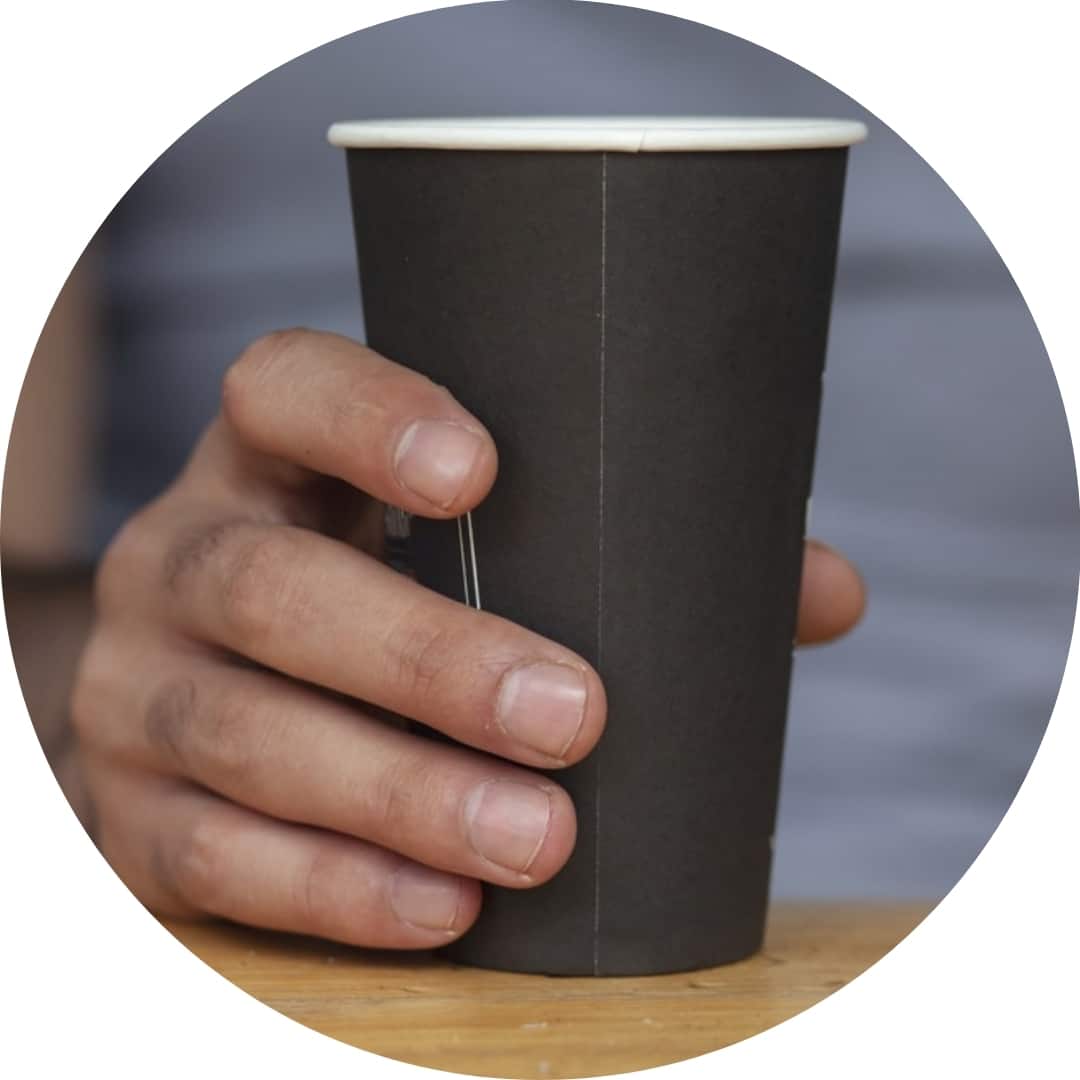
Promethazine-codeine cough syrup is only accessible by prescription. Even so, it is sometimes misused and abused, even as an ingredient in lean. Just because a substance was prescribed by a doctor doesn’t mean it’s completely safe. When cough syrup is used to get high rather than treat a cold, it becomes a dangerous situation for the user.
Abusers add flavored soda like Sprite or 7-Up to the cough syrup so it tastes better. They also add pieces of fruit-flavored hard candies to the drink which dissolve as the liquid is consumed. The amount of sugar in the mixture is one reason frequent lean users can suffer from weight gain, cavities, and other dental issues. It also makes the drink more attractive to younger users who like the sugary flavor. According to research from the CDC, 6 out of every 10 youth have a sugar-sweetened beverage on a given day.
What Are Other Names for Lean?
Most drugs have a few slang nicknames, and lean is no exception. Other names for lean include:
- Texas tea
- Sizzurp
- Purple lean
- Dirty Sprite
- Purple jelly
- Purple drank
While the color of lean varies depending on the type of drink used, it commonly has a purple hue due to the purple-colored cough syrup. Many of the drugs nicknames highlight this feature.
Lean Abuse Signs and Symptoms
There are several warning signs and symptoms that indicate someone is abusing lean. These signs include:
- Empty soda or cough syrup bottles
- Spending less time with loved ones and close friends
- Tiredness and slumber
- Higher need for privacy and secrecy
- Noticeable weight gain (caused by sugar intake)
- Neglecting commitments or responsibilities
What Are the Dangers of Lean?
When codeine is used in excess, it can have negative consequences. When it’s consumed as a beverage, it’s easy to forget how much you’ve taken. This becomes even more likely as the flavored soda and candy mask the taste of the cough syrup. Since the drug is often consumed in party or music concert settings, drinking lean can make it even easier for users to lose track of their consumption while dancing or hanging with friends, and long-term use is also linked with dental and metabolic issues.
When lean is mixed with other prescription medications, drugs, or alcohol, the possibility of unanticipated negative side effects grows considerably. Codeine is found in some prescription opioids, a category that includes some of the most dangerous drugs when misused. Used to treat pain in a medical setting, codeine is easily abused and particularly dangerous when mixed with drugs like Xanax or Valium. They’re also dangerous when combined with an alcohol addiction as both substances depress your respiratory system.
After drinking the mixture, the short-term effects of lean often include sedation and euphoria, usually peaking within one or two hours and lingering for up to six hours per drink. The following side-effects are reported in those who consume lean:
Feeling happy or high
Unsteady speech
Dizziness
Low-pitched breathing
Blurry or double vision
Inability to coordinate
Gastrointestinal distress, including nausea and constipation
Respiratory depression
Seizures, especially in people with an increased risk
When people consume more codeine and promethazine than is prescribed by a physician, they can dangerously lower your respiratory rate and result in hallucinations. These dangerous effects can become life-threatening, especially when combined with other drugs and alcohol, and may lead to risky behaviors. People who abuse lean risk falling into a coma. They could stop breathing. They could even die.
Studies show that substance abuse can play a role in the development of mental illness through changes in brain structure. Opiates like codeine bind to opioid receptors in the brain, affect the central nervous system, and alter the brain’s reward pathway similar to other opioids. This feel-good chemical reinforces the urge to continue using the drug. It may also cause you to neglect other aspects of your life like hygiene, school, work, your family, your financial security, and more. To regain control over your mental health and overall well-being, finding a treatment center that can help with lean addiction should be a top priority.
Can Lean Lead to Overdose?
Yes. A codeine overdose is dangerous and can be fatal. Codeine is no exception. According to data from the U.S. Department of Health & Human Services, more than 70,000 people died from a drug overdose in 2019. Even scarier, almost 75% of overdose deaths in 2020 were due to an opiate. Opiate drug overdose victims need immediate medical assistance because symptoms can worsen if left untreated.
Lean Withdrawal Symptoms
Repeated use of codeine (typically at least four to six weeks) can result in a condition known as physical dependence. Lean addiction is a chronic substance use disorder. This means your body begins to depend on the presence of the drug to function every day. You go through a withdrawal episode when you abruptly stop using the medication or drastically reduce it. You may even continue to take codeine as a physiological reliance set up to prevent physical withdrawal symptoms.
Opiate medication tolerance sets in very fast. You discover that you need higher doses to achieve the same benefits you formerly had at lesser levels. Symptoms of withdrawal may appear if you stop taking the medication shortly after tolerating it. The longer someone drinks lean, the worse the withdrawal and tolerance phases get.
If you have become physically dependent on lean, you may exhibit a variety of withdrawal symptoms. These include:
Frequent symptoms that resemble the flu or a common cold: Runny nose, nausea, headache, stomach cramps, fever, chills, sweating, and severe insomnia
Changes in the nervous system: Erratic breathing, dilated pupils, and raised blood pressure
Psychological effects: Intense cravings for codeine, disorientation, mood swings, problems with anxiety, and poor appetite
Lean withdrawal symptoms usually peak within 24 to 72 hours. Post-acute withdrawal syndrome can last for weeks or months. Vomiting can also cause severe dehydration during lean drug withdrawal.
Because using lean is likely to lessen withdrawal symptoms, relapse during detox is a risk. But taking the drug longer to prevent withdrawal reinforces the behavior of using it and makes quitting much harder. Codeine syrup is short-acting, and codeine may still be detectable in urine for 2–3 days after use. Medical supervision is important during detox because withdrawal can affect physical and psychological health as well as a person’s mental state.
Because using lean is likely to lessen withdrawal symptoms, relapse during detox is a risk. But taking the drug longer to prevent withdrawal reinforces the behavior of using it and makes quitting much harder.
Are There Substitutes for Codeine?
Some people recovering lean abuse worry about relapsing after taking cough medicine when they’re sick. There are cold medicines available that do not contain codeine. Always check the ingredients label before using an over-the-counter medication. Before changing the dose or type of medication you take, speak with your doctor or pharmacist. If you experience chronic (long-lasting) pain, your physician may encourage you to make lifestyle adjustments to control discomfort. Managing general health, social life, relaxation, and physical fitness may all fall under this category.
Need Help For Lean Addiction?
Our admissions team is available around the clock to help you or a loved one get the help you need.
Lean Abuse Treatment
Lean drug abuse can ruin lives and requires treatment. It is a persistent illness that leads to severe medical issues. It is a narcotic that affects the nervous system and acts as a strong pain reliever. A doctor may prescribe it to you to help manage ongoing pain, but the addiction is worse than the agony it was intended to treat. Through a combination of behavioral therapy and medical detox, Vogue Recovery Center offers effective treatment for anyone addicted to lean. Seeking professional help is important for managing withdrawal and co-occurring mental health disorders. Treatment works best when it is built around a personalized treatment plan. Some of the drug addiction treatment programs at Vogue include:
Detox – The process of ridding the body of drugs and alcohol is known as detox. It can be intense and should occur under medical supervision in a supportive environment to ensure a safe, comfortable, and effective detox period. Detox is a necessary step on the journey to recovery.
Residential treatment – Also known as inpatient treatment, residential addiction treatment offers a high level of care and support. You live at Vogue Recovery Center and attend programs there. This allows you to focus 100% of your time and energy on getting sober.
Partial hospitalization program (PHP) – PHP is the step that often follows residential treatment. It affords high levels of care but happens in an outpatient setting. You don’t live at Vogue Recovery Center, but you can spend upwards of six hours per day at the treatment center undergoing treatments.
Intensive outpatient treatment (IOP) – This level of care is not as intense as PHP but follows a similar format. You can spend as many as 15 hours per week at the facility undergoing treatment for addiction issues. This allows time for things like work, school, or family obligations.
Outpatient treatment – This is often one of the last stages of addiction recovery. Outpatient programs provide support as you transition back into your everyday life. Regular meetings and treatment occur on a weekly basis. They help you utilize the skills you learned in rehab to support long-term recovery and lasting recovery in daily life.
Lean Addiction Therapies
Several behavioral treatments are effective in treating lean addiction. Effective therapy may include individual counseling and group therapy, depending on what feels most comfortable for you. However, any therapy employed will have a long-term impact on the healing process.
Some treatment options for lean abuse include:
Cognitive behavioral therapy (CBT): With the help of CBT, you can better address and manage the issues that led to your drug use by revealing its causes and motives.
Dialectical behavior therapy (DBT): DBT has been shown successful in treating PTSD and reducing thoughts of suicide by focusing on how to moderate emotional reactions, which can also help with emotional distress and lower the risk of self harm.
EMDR (eye movement desensitization and reprocessing): Three time periods are included in EMDR: past, present, and future. The therapy’s focus is the incidents connected to the terrible recollections from your past. EMDR is used in stressful current circumstances to foster the attitudes and abilities necessary for future constructive acts.
12-step program: You share your troubles in a group environment with others who are going through the same things. They can help you both now and in the future as you navigate recovery.
Does Insurance Cover Lean Abuse Treatment?
Worrying how to pay for treatment shouldn’t deter you from getting the help you need. If you have insurance, it may pay for all or part of the cost of drug addiction treatment. A rehab center like Vogue can help with an insurance verification so you know what levels of care are covered under your policy. If you aren’t sure what your insurance policy covers, contact Vogue Recovery Center today for a free consultation to verify insurance coverage for drug rehab.









Get Help for Lean Addiction
If you or someone you care about is struggling with lean abuse, it’s possible an addiction has developed—but you don’t have to face it alone. Gabapentin addiction treatment offers a proven path toward recovery and a fulfilling life. Reach out to Vogue Recovery Centers today to learn more about how we can help.
Recovering from lean addiction often requires a comprehensive approach, combining medical detox, therapy, and support groups to address both the physical and emotional challenges of addiction. At Vogue Recovery Centers, our compassionate treatment team is dedicated to providing care with dignity and respect, helping you reclaim control over your life. Take the first step toward the support you deserve—start your journey today.
- Results from the 2021 National Survey on Drug Use and Health
- Use of “Lean” Among Electronic Dance Music Party Attendees – PubMed
- Principles of Drug Addiction Treatment: A Research-Based Guide (Third Edition)
- Opioid Addiction 2016 Facts & Figures
- Data Resources | Overdose Prevention | CDC
- Get the Facts: Sugar-Sweetened Beverages and Consumption | Nutrition | CDC
- Co-Occurring Disorders and Health Conditions | National Institute on Drug Abuse (NIDA).
- Opioid Facts and Statistics | HHS.gov

Medically Reviewed by Kelsey Jones, MS, LPC