What Is Buprenorphine?
Buprenorphine is a partial opioid agonist, but it’s not derived from the poppy plant. It is a completely synthetic opioid. This means it is made in a lab. It is a prescription drug classified as a Schedule III controlled substance in the U.S. due to its moderate-to-low potential for dependence.

What Does Buprenorphine Treat?
Buprenorphine is often used as a medication-assisted treatment (MAT) for opioid addiction. This means it is prescribed by a doctor and taken under medical supervision along with therapy and other support services. MAT has been proven to be an effective method for treating opioid addiction, as it addresses both the physical and psychological aspects of the disease.
How Does Buprenorphine Work?
Buprenorphine works by binding to the same receptors in the brain as opioids, but with a tighter bond and weaker effect. This makes buprenorphine medications more compatible with human brain chemistry while remaining less addictive. As a result, it helps to alleviate withdrawal symptoms and reduce cravings without producing the intense high associated with other opioids. It also has a longer duration of action than most opioids, meaning it stays in the body for a longer period of time, allowing patients to take fewer doses.
Buprenorphine Medications
Buprenorphine is the active ingredient in prescription medications, including:
- Brixadi (buprenorphine): extended-release injection
- Buprenex (buprenorphine): low-dose injection
- Sublocade (buprenorphine): extended-release injection
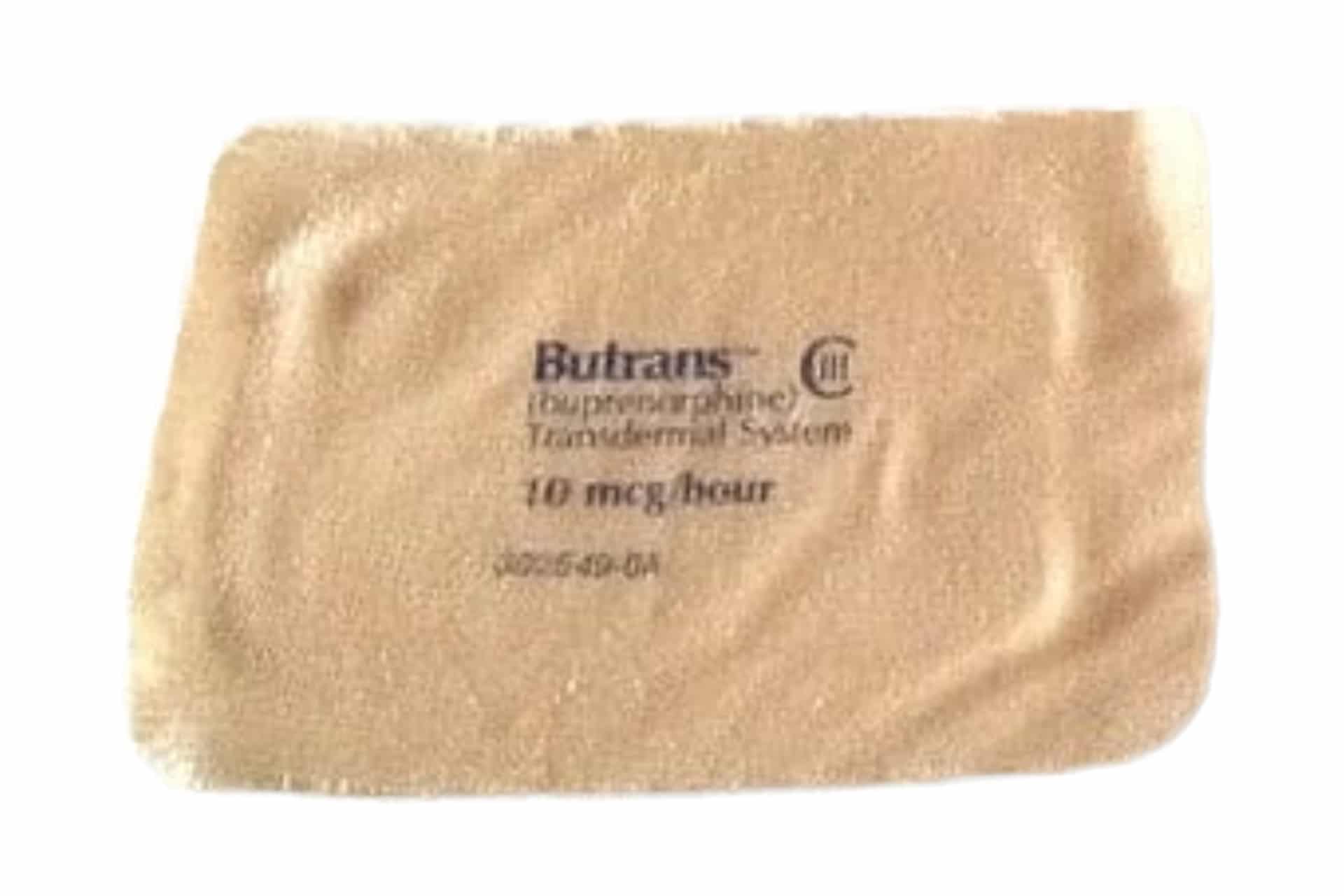
- Butrans (buprenorphine): transdermal patch
It is one of two active ingredients in the following prescription medications:
- Suboxone (buprenorphine and naloxone): sublingual film
- Bunavail (buprenorphine and naloxone): buccal film
- Zubsolv (buprenorphine and naloxone): sublingual tablets
All of these are best known for medication-assisted treatment (MAT). It can also assist with detox from addictive opioids without continued opioid maintenance.
Traditionally, medical professionals preferred low-dose benzodiazepines and clonidine to manage opioid withdrawal. These medications can help with some severe symptoms of opioid withdrawal, but buprenorphine treatments like Suboxone have led to more successful results.
How Do You Take Buprenorphine?
Buprenorphine comes in various forms, including injections, transdermal patches, sublingual films, buccal films, and sublingual tablets that dissolve under the tongue. It is usually taken once daily, with dosage adjusted based on opioid use.
Treatment must always begin under the supervision of a qualified medical professional, and patients should follow their doctor’s instructions closely. Never change the dose without consulting your doctor, and avoid alcohol or other drugs, as they can cause dangerous interactions and severe side effects.
What Are the Benefits of Buprenorphine?
One of the main benefits of buprenorphine is its ability to reduce cravings and withdrawal symptoms in individuals who are addicted to opioids. This can help individuals stay on track with their recovery journey without experiencing intense cravings or discomfort. It also helps to block the effects of other opioids, making it less likely for a person to relapse.
In addition to its effectiveness in managing opioid addiction, the medication is also considered relatively safe compared to other medications used for opioid dependence. It has a lower risk of overdose and can be prescribed by trained physicians outside of specialized treatment centers.
However, it is important to note that while buprenorphine can be an effective tool in recovery, it is not a stand-alone treatment. It should be used in combination with counseling, therapy, and other support services to address the underlying issues that contribute to addiction.
What Are Buprenorphine Side Effects?
The most common side effects of buprenorphine often include:
- Constipation
- Diarrhea
- Nausea
- Vomiting
- Stomach pain
- Drowsiness
- Fatigue
- Headache
- Mild rash
- Itching
- Sweating
- Dry mouth
- Dizziness
- Sleeping issues
- Muscle aches and cramps
- Tooth decay (sublingual film)
What Are the Risks of Buprenorphine?
While less common, some side effects can be serious and require immediate medical attention, including:
- Adrenal insufficiency (Addison’s Disease)
- Central nervous system (CNS) depression
- Fast heartbeat
- Low blood pressure
- Fever
- Muscle spasms
- Liver issues
- Respiratory depression
- Severe allergic reactions
- Serotonin syndrome
- Addiction
- Withdrawal
Always talk to your doctor if you experience any of the side effects above. While the risks of buprenorphine should not be taken lightly, the medication is safer when compared to the risks associated with opioid abuse.
How Is Buprenorphine Used in Addiction Treatment?
Buprenorphine plays a crucial role in supporting individuals through opioid addiction recovery. Utilized in both outpatient and inpatient drug rehab settings, it effectively mitigates cravings and withdrawal symptoms. By extending engagement in treatment, buprenorphine significantly enhances the likelihood of sustained recovery.
How Is Buprenorphine Used for Opioid Detox?
Buprenorphine plays a crucial role in managing opioid withdrawal by quickly alleviating withdrawal symptoms. This allows you to shift your focus toward addiction treatment. Designed to effectively suppress these symptoms, this medication is an ideal choice for facilitating a smoother withdrawal and detox process.
Treatment typically begins once moderate withdrawal symptoms appear, at which point buprenorphine is administered in the appropriate dosage. The exact dosage depends on several factors, including:
- Your overall health and unique circumstances
- The duration of the detox process
- Whether you’re undergoing inpatient or outpatient treatment
By tailoring the approach to your needs, treatment can provide a solid foundation for your journey toward recovery.





Looking for Opioid Addiction Treatment?
At Vogue Recovery Center, we offer buprenorphine in the form of Suboxone as part of our medication-assisted treatment program for individuals struggling with opioid addiction. Our team of experienced professionals works closely with each individual to create a personalized treatment plan that addresses their unique needs and challenges.
If you or a loved one is struggling with opioid addiction, please don’t hesitate to reach out for help. Contact us today to learn more about how our comprehensive approach can help you achieve lasting recovery. Remember, recovery is possible, and you don’t have to face it alone. If you or a loved one is struggling, call us today for a free, confidential consultation.
- What is Buprenorphine? Side Effects, Treatment & Use | SAMHSA
- Buprenorphine misuse decreased among U.S. adults with opioid use disorder from 2015-2019 | National Institutes of Health (NIH)
- Buprenorphine (MOUD) Q&A
- Federal Register: 2025 Expansion of Buprenorphine Treatment via Telemedicine Encounter
- BUPRENORPHINE (Trade Names: Buprenex®, Suboxone®, Subutex®)