Our chronic pain program is a specialized rehab for those suffering from substance abuse and long-term pain. We offer holistic treatment with a specialized focus on the relationship between chronic pain and addiction. We work closely with pain patients to get them the help needed to live a life free of addiction and discomfort.
Chronic pain and substance abuse often form a tangled, destructive cycle that can be difficult to escape. For many, the journey begins with an injury or illness that brings persistent physical discomfort.
According to research, substance abuse and chronic pain commonly co-occur:
- Roughly 50% of people with a substance use disorder (SUD) have chronic pain.
- About 20% of people with chronic pain also have a SUD.
In search of relief, they may rely on prescription pain medications like opioids. Over time, however, the boundary between managing pain and developing dependence begins to blur, creating a relentless cycle that traps individuals in its grip.
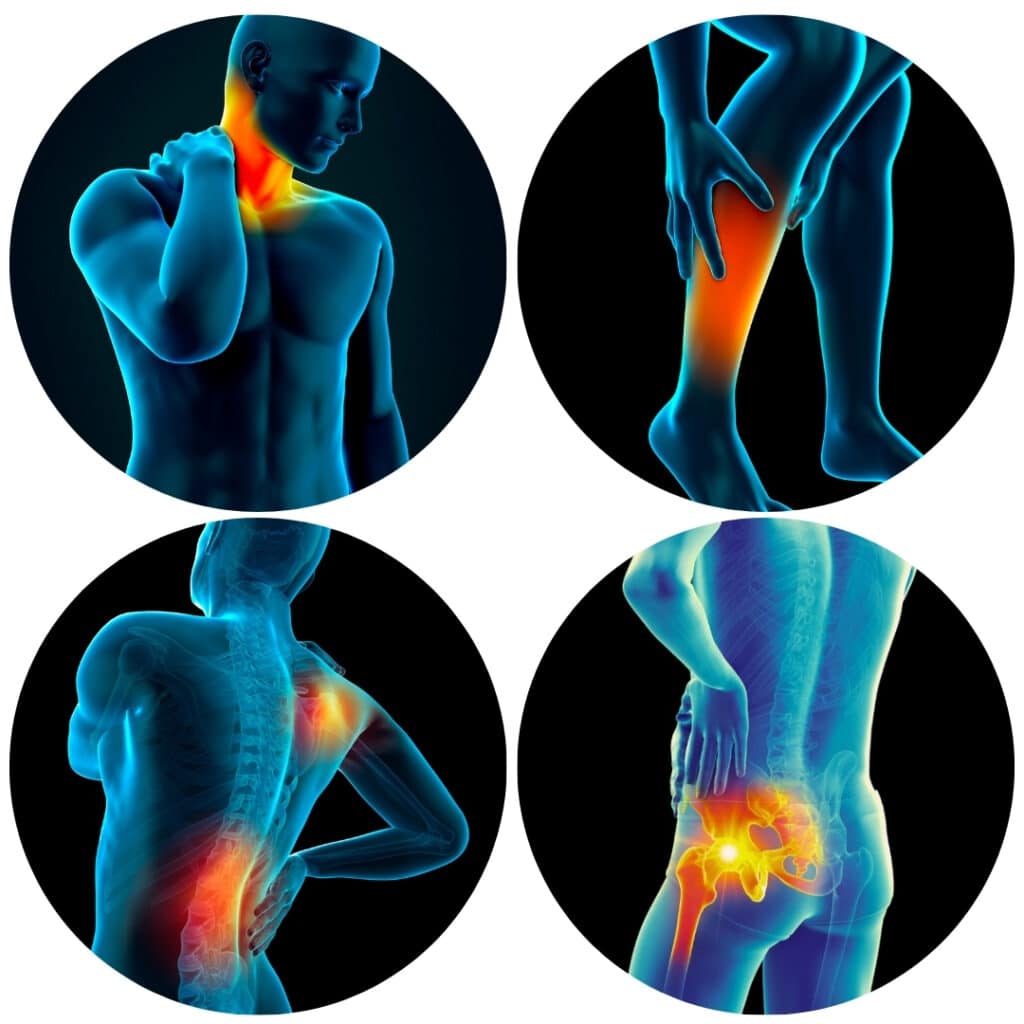
What Is Chronic Pain?
Chronic pain is defined as any type of persistent pain that lasts longer than 3 weeks, even after an injury or illness has healed. This differs from acute pain, which is short-term and usually resolves once the underlying issue is treated.
What Causes Chronic Pain?
The experience of chronic pain varies greatly from person to person and can be caused by a variety of factors, including but not limited to:
- Arthritis and joint pain
- Headaches and migraines
- Back and neck injuries
- Fibromyalgia
- Multiple sclerosis
- Neuropathy (nerve damage)
- Cancer pain
- Surgical complications
- Inflammatory conditions like Crohn’s disease and ulcerative colitis
Chronic pain can also result from psychological conditions such as depression or anxiety, as well as ongoing stress and tension in the body.
Research shows that common indicators associated with a greater likelihood of drug dependence co-occurring in patients with chronic pain include:
- Location of pain
- Level of disability
- Pain catastrophizing
- Pain anxiety
Signs of Chronic Pain
Sometimes people have trouble describing their pain. This may apply to young children, people with intellectual difficulties, those with language barriers, and people with trust issues. In these cases, it can help to know common signs to assess pain in others, including:
- Groaning
- Crying
- Facial changes (grimacing or frowning)
- Becoming quiet or withdrawn
- Wincing
- Limping
- Sensitivity to touch
- Guarding a part of the body
- Limited mobility
- Reduced range of motion
- Refusing to move
- Tremors
- Screaming
- Fainting
The constant discomfort and pain can lead to fatigue, irritability, mood swings, and difficulty eating and/or sleeping.
Someone struggling with chronic pain may describe themselves as feeling:
- Weak
- Sore
- Tight
- Stiff
They may describe their pain as:
- Dull
- Sharp
- Throbbing
- Shooting
- Stabbing
- Burning
- Aching
- Electrical
It is important to note that each person may experience and describe pain differently. It is also common for individuals with chronic pain to have multiple types of pain at the same time, making it even more challenging to manage.
Signs of Substance Abuse in Chronic Pain Patients
It is important for healthcare professionals and loved ones to closely monitor chronic pain patients for signs of substance abuse and seek appropriate treatment when necessary. These behaviors not only put patients at risk for addiction and overdose but also harm their ability to effectively manage their pain.
Signs of substance abuse in chronic pain patients may include:
- Taking higher doses of medication than prescribed or more frequent dosing
- Requesting early refills or “losing” prescriptions
- Doctor shopping or obtaining prescriptions from multiple sources
- Mixing painkillers with other substances, such as alcohol or illicit drugs
- Using opioids for reasons other than pain relief, such as to get high
- Changes in behavior or mood, such as increased agitation or secrecy
- Neglecting responsibilities or obligations due to drug use
If you or a loved one is exhibiting any of these signs, it is important to address them immediately and seek help from a licensed professional. Vogue Recovery Center can work with you to develop a treatment plan for both chronic pain and substance abuse issues.
The Cycle of Chronic Pain and Substance Abuse
Many people receive prescription pain medication to manage relentless pain. While effective in the short term, prescription painkillers like oxycodone and gabapentin carry a high risk of dependence and addiction. Many chronic pain sufferers develop a prescription pill addiction, even when taking medication as prescribed.
Tolerance, or the need for higher doses to achieve the same level of pain relief, can develop quickly. This means that individuals may need to continuously increase their dose to effectively manage their pain. As a result, many people become dependent on these drugs over time.
Patients may feel a constant need for the medication, which can lead to compulsive use in a desperate attempt to stave off the onslaught of pain.
As tolerance builds, their dependence deepens. In turn, use can quickly transition into abuse, and escalate to mixing their prescription with other drugs or alcohol to amplify their effect, or seeking stronger substances on the street.
Need Help For Chronic Pain and Addiction?
Our admissions team is available around the clock to help you or a loved one get the help you need.
The Link Between Chronic Pain Treatment and Opioid Addiction
Current treatment options for chronic pain typically involve opioids, a category of painkillers that work by blocking pain signals in the brain. In doing so, these drugs help patients feel a significant reduction in their pain.
While these medications can be effective in providing short-term relief, they also come with several potential risks and side effects. The biggest concerns with opioid use are the risk of dependence, addiction, and overdose.
The dependency on opioids can lead to misuse of prescriptions or even turning to illicit drugs like heroin or fentanyl when access to prescriptions is restricted. This transition often happens gradually as individuals seek ways to cope with their chronic pain.

Opioid Detox and Withdrawal
After long-term use of opioids, chronic pain sufferers may develop an opioid use disorder (OUD) as their dependency on prescription medication grows and takes hold of their lives. Once physically dependent, the symptoms of withdrawal begin roughly 6-12 hours after the last dose.
Signs and symptoms of opioid withdrawal include:
- Extreme cravings
- Anxiety
- Restlessness
- Depression
- Agitation
- Sleep disorders like insomnia
- Muscle cramps
- Aches and pains
- Sweating
- Goosebumps and hot/cold flashes
- Fever
- Nausea and vomiting
- Diarrhea
- Dehydration
- Racing heartbeat
- High blood pressure
Attempting to Dull Chronic Pain With Alcohol and Other Drugs
When you think about treating chronic pain, most people will associate it with opioids. However, chronic pain sufferers turn to other addictive substances to lessen or ease their pain, such as:
These drugs are also the most commonly used substances in the United States. Like opioids, these can worsen any pre-existing mental health disorders and contribute to the development of new psychological illnesses.
Self-Medicating Becomes Addiction Maintenance
Many people use substances with the intent to self-medicate, which is why many people with chronic pain conditions may turn to drugs and alcohol before reaching a diagnosis. This self-medicating is a way to cope with chronic pain for many people who suffer from daily pain, which brings them into a vicious cycle of dependence, tolerance, and maintenance— the drugs and the chronic pain continue to become a pattern that is hard to break out of. In addition to the nature of both conditions feeding into each other, chronic pain can also be greatly worsened during the withdrawal process. Despite their addiction being the cause of their ever-worsening symptoms, they experience extreme cravings, believing that substance abuse is the only way to relieve their pain. This results in a vicious, painful cycle of addiction maintenance, driven by a desire to escape suffering.
Speak With a Specialist
Our admission coordinators will call or email you back within 24 hours. If you would like help right away, please feel free to give us a call.
"*" indicates required fields
FAQ About Chronic Pain and Substance Abuse
What is a pain scale?
A pain scale is a way of recording how much pain a person is experiencing, usually through a verbal expression or visual image, such as:
- A number scale from 0 to 10 (6 out of 10)
- A word (mild, moderate, or severe)
- A visual scale ranging from sad to happy facial expressions
Pain scales can help doctors and healthcare professionals better understand and address a patient’s pain. For those struggling with chronic pain, doctors may also ask follow up questions to rate the pain on your ‘best day’, ‘worst day’, and on an ‘average day’ to gauge how your degree of pain can change depending on different circumstances.
Can chronic pain lead to substance abuse?
Yes, chronic pain can lead to substance abuse as individuals may turn to drugs or alcohol to self-medicate and manage their symptoms. This can ultimately lead to addiction and worsen both the physical and psychological effects of their chronic pain.
How does addiction affect those with chronic pain?
Addiction can worsen chronic pain and lead to other health complications. Substance abuse can also interfere with chronic pain treatment, making it harder for healthcare providers to manage the pain and improve a patient’s quality of life. In addition, addiction can cause financial strain, relationship issues, and social isolation. It’s important to seek help for any substance abuse issues to receive proper treatment for both conditions.
What are the most commonly prescribed drugs for chronic pain?
The most commonly prescribed drugs for chronic pain are opioids like oxycodone, hydrocodone, and morphine. Other potentially addictive medications prescribed for chronic pain include gabapentinoids such as gabapentin and pregabalin. Other pain management medications, like antidepressants and non-steroidal anti-inflammatory drugs (NSAIDs), are less risky in terms of abuse but also less effective for chronic pain.
Can you get addicted to chronic pain medication if you take it as prescribed?
Yes. Unfortunately, 3-12% sufferers of chronic pain can find themselves becoming psychologically and physically dependent on the drugs prescribed to them by a doctor. Without intending to, people can enter a cycle of addiction maintenance, abusing opioids to avoid becoming physically ill from withdrawal. As a result, prescription drug abuse becomes a matter of perpetually postponing the distressing symptoms of opioid withdrawal as opposed to relieving their chronic pain.
What is the new painkiller replacing opioids?
The Food and Drug Administration (FDA) recently approved a new, non-opioid prescription pill—suzetrigine. Sold under the brand name Journavx™, the drug is marketed as a nonaddictive medication prescribed to treat moderate-to-severe pain in adults. However, it is approved to treat acute or short-term pain, not chronic pain.
Breaking the Cycle of Chronic Pain and Addiction
Life with chronic pain and substance use can feel overwhelming, but recovery is absolutely achievable. With the right support, individuals can manage pain without addiction, leading to a healthier, more fulfilling life. Seeking professional help is the crucial first step to breaking the cycle of addiction. Lasting recovery from both chronic pain and substance abuse requires a comprehensive, integrated strategy, typically involving:
- Integrated Pain Management: This approach focuses on reducing reliance on drugs through various pain-relieving techniques such as non-opioid medications, physical therapy, and acupuncture.
- Behavioral Therapies: Cognitive Behavioral Therapy (CBT), Dialectical Behavior Therapy (DBT), and other behavioral modalities provide essential tools to manage pain, regulate emotions, and overcome cravings.
- Medication-Assisted Treatment (MAT): For those with opioid dependence, medications such as buprenorphine or methadone can alleviate withdrawal symptoms, curb cravings, and stabilize mood, supporting a smoother recovery journey.
- Dual Diagnosis Treatment: Essential for lasting recovery, this approach simultaneously addresses both chronic pain and substance use disorder, recognizing their intertwined nature.
Treatment for Chronic Pain and Substance Abuse
At Vogue Recovery Center, we understand the challenges of living with chronic pain and substance abuse. We know that it can feel overwhelming and isolating at times. That’s why our programs are designed to provide a supportive community where you can connect with others who are going through similar struggles. Our team is committed to creating a safe and compassionate environment where you can open up about your experiences and receive the treatment you need.
We take any chronic pain conditions into account when our clinicians and guests build an individualized treatment plan that is tailored specifically to meet their needs, goals, and circumstances. Chronic pain may leave you feeling hopeless, but there is hope for a better life— a life filled with happiness, health, and meaning in sobriety.
Holistic Approach to Treatment
Our team of dedicated professionals takes a holistic approach to the treatment of chronic pain and substance abuse. To do so, we address not just the physical symptoms but also the emotional and psychological aspects that often accompany these conditions. Together, we will work toward creating a personalized treatment plan that addresses your unique needs and goals. We aim to help you find relief from your pain while overcoming addiction through:
- Evidence-based therapies
- Medication management
- Addiction counseling
- Psychoeducation
- Support groups
- Wellness activities
We believe that this combination can help you manage your pain in a healthy way without relying on addictive substances.
Medical Services Targeting Physical Pain
Our chronic pain track incorporates the following physical medical services into treatment:
- Chiropractic care uses manual adjustments to the spine and other joints to improve alignment and reduce discomfort.
- Dry needling to target and deactivate myofascial trigger points to relieve pain and improve mobility.
- Ultrasound therapy uses high-frequency sound waves to promote healing at the cellular level.
- Electrical stimulation (e-stim) reduces muscle and nerve pain by using electrical currents.
- Electromagnetic shock wave therapy for improved tissue repair and reduced inflammation.
- Laser therapy offers a non-invasive method to manage pain and facilitate healing processes within the body.
- Heat and cryotherapy are utilized for their respective benefits in soothing discomfort and reducing swelling.
- Therapeutic exercise helps in strengthening body parts affected by chronic pain to enhance overall function.
- Six types of massages, each designed to target specific issues such as muscle stiffness, circulation problems, or stress reduction.
By integrating these services into our recovery programs, Vogue Recovery Center’s dedicated clinicians aim not only to decrease clients’ physical pain but also to improve their overall well-being. Our clients have reported significant improvements in their pain levels and ability to manage their symptoms after participating in our chronic pain track program.
Admissions and Insurance
Most insurance plans cover chronic pain and addiction rehab fully or partially. Laws often require insurers to cover chronic pain rehab like other medical conditions. Policies vary, covering detox and outpatient programs, or extending to inpatient centers. At minimum, your insurance should cover counseling and behavioral therapy. To confirm your opioid addiction treatment coverage, contact our admissions team. We’ll work with your insurer to clarify coverage and any out-of-pocket costs.
Alcohol and drug addiction treatment in Las Vegas, Nevada, may be more affordable than you think. Vogue Recovery Center proudly participates in the Community Care Network, and we are in network with:
- Blue Cross Anthem
- Harmony Healthcare
- Optum
- Tricare
- Sierra BHO
- UnitedHealthcare
Curious if your insurance covers chronic pain and addiction treatment? Complete our free, secure insurance verification form or give us a call. Our team is here to guide you through your insurance benefits and coverage with ease. At Vogue Recovery Center, we’ve supported countless individuals in overcoming substance use disorders. Let us help you take the first step toward a healthier, brighter future.









Find Relief From Chronic Pain In Rehab
A chronic pain condition can feel overwhelming and consuming. However, there is help available for chronic pain sufferers that allows them to remain drug-free. If you, a family member, or a friend is suffering from chronic pain and substance abuse, Vogue is here to help.
Contact us today to learn how our comprehensive, trauma-informed programs can support lasting recovery from both conditions. For more information about our chronic pain track, call our admissions team at 866-682-8449.
- Pain | National Institute of Neurological Disorders and Stroke
- Chronic pain, chronic stress and substance use: overlapping mechanisms and implications | PMC
- Patients’ perceptions of the pathways linking chronic pain with problematic substance use | PMC
- National Opioids Crisis: Help and Resources | HHS.gov
- Opioids | National Institute on Drug Abuse (NIDA)
- Preventing Opioid Use Disorder | Overdose Prevention | CDC
- Risk Factors for Opioid Misuse, Addiction, and Overdose | U.S. Department of Labor
- FDA Approves Novel Non-Opioid Treatment for Moderate to Severe Acute Pain | FDA.gov
- Prescription Opioids DrugFacts | National Institute on Drug Abuse (NIDA)
- Pain Management Medications – StatPearls – NCBI Bookshelf