Home » Books on CBT Therapy: Expand Your Understanding of Psychotherapy
Books on CBT Therapy: Expand Your Understanding of Psychotherapy
Vogue Recovery Center
2minute read
Cognitive behavioral therapy (CBT) is an research-based form of psychotherapy that helps individuals understand the connection between their thoughts, feelings, and behaviors. By identifying and replacing negative patterns with more constructive ones, CBT can benefit people facing mental health disorders, behavioral issues, neurodevelopmental conditions, and emotional difficulties. If you want to deepen your understanding of this approach, there are many insightful books on CBT therapy that can guide you through its principles and practical applications. A treatment center can also help you use psychotherapy to overcome mental health and substance abuse issues.
This book operates as a teaching tool for professionals, students, and anyone interested in learning more about cognitive therapy. It walks readers through the foundational elements of CBT by looking in-depth at a case study.
Written by two clinicians who’ve practiced CBT, this book is a workbook for readers to practice implementing CBT basics themselves. It acts as a hands-on guide to help readers immediately improve their mental health.
Self-Assessment: Am I Addicted?
"*" indicates required fields
Contact Us
Ready to Get Help? Get in Touch Today.
Fill out the form below and one of our admissions team members will reach out to you:
"*" indicates required fields
What Are the Benefits of CBT?
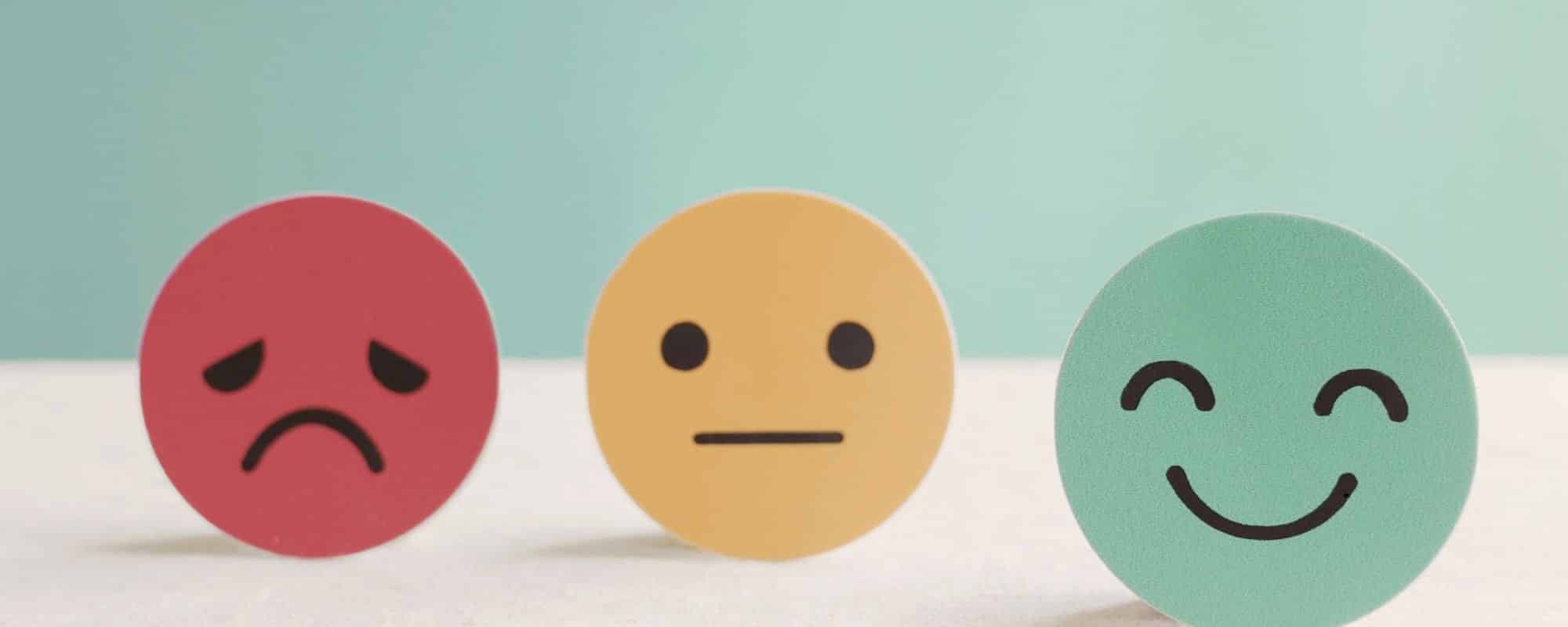
Cognitive behavioral therapy and behavioral therapy overall offer many immediate benefits. By replacing negative thinking, feeling, and behaving patterns with healthy habits, individuals quickly feel the impacts. As a result, CBT improves relationships and self-confidence. Additionally, it helps alleviate negative self-talk and trains the brain to have the most positive outlook. And because individuals are no longer being controlled by unhappy thoughts and feelings, they can be more rational and at peace.
What Is Cognitive Behavioral Therapy Used to Treat?
Cognitive behavioral therapy is a program that is wide-reaching due to its benefits for virtually all people. Anyone who struggles with internal negativity can create positive improvements in their mind and life. However, it is especially important for people with disorders.
Substance Use Disorders
Substance use disorders are brain disorders in people who have developed an addiction to a substance. Notably, some substance disorders are alcohol use disorder (AUD), cannabis use disorder (CUD), opioid use disorder (OUD), and methamphetamine use disorder (MUD).
Mental Health Disorders
Mental health disorders cover a wide range of issues that have a negative mental and emotional toll. They include mood disorders, personality disorders, behavioral disorders, anxiety disorders, and psychotic disorders.
Using CBT in Everyday Life
Once you understand the principles of CBT, you carry the knowledge around with you. CBT is incredible for the rapid shifts it can bring about in your life. By altering your thoughts, feelings, and in turn, your behaviors, you can change your entire outlook and response to life. We recommend you delve deeper into CBT so you can implement it in your own way. You don’t have to explore behavioral therapy alone. Reach out if you’re interested in starting the program through our treatment center!
Questions about treatment options?
Our admissions team is available 24/7 to listen to your story and help you get started with the next steps.
At Vogue Recovery Center, we make information about addiction clear and easy to understand, no matter your familiarity with the topic. With expertise in addiction and recovery, the Vogue Recovery Editorial Staff creates content that’s engaging, informative, and relatable. Whether you’re exploring treatment options or the science of addiction, our blog has you covered. We share evidence-based insights on substance abuse and mental health from trusted sources.
Life feels like an everyday struggle right now, but it’s going to get better. Making the decision to get help for substance abuse is the first step in changing everything. Call us for a free, confidential consultation today.